Successful conference held on the new International Master’s Programme of AUA and the “DAMIA” Institute
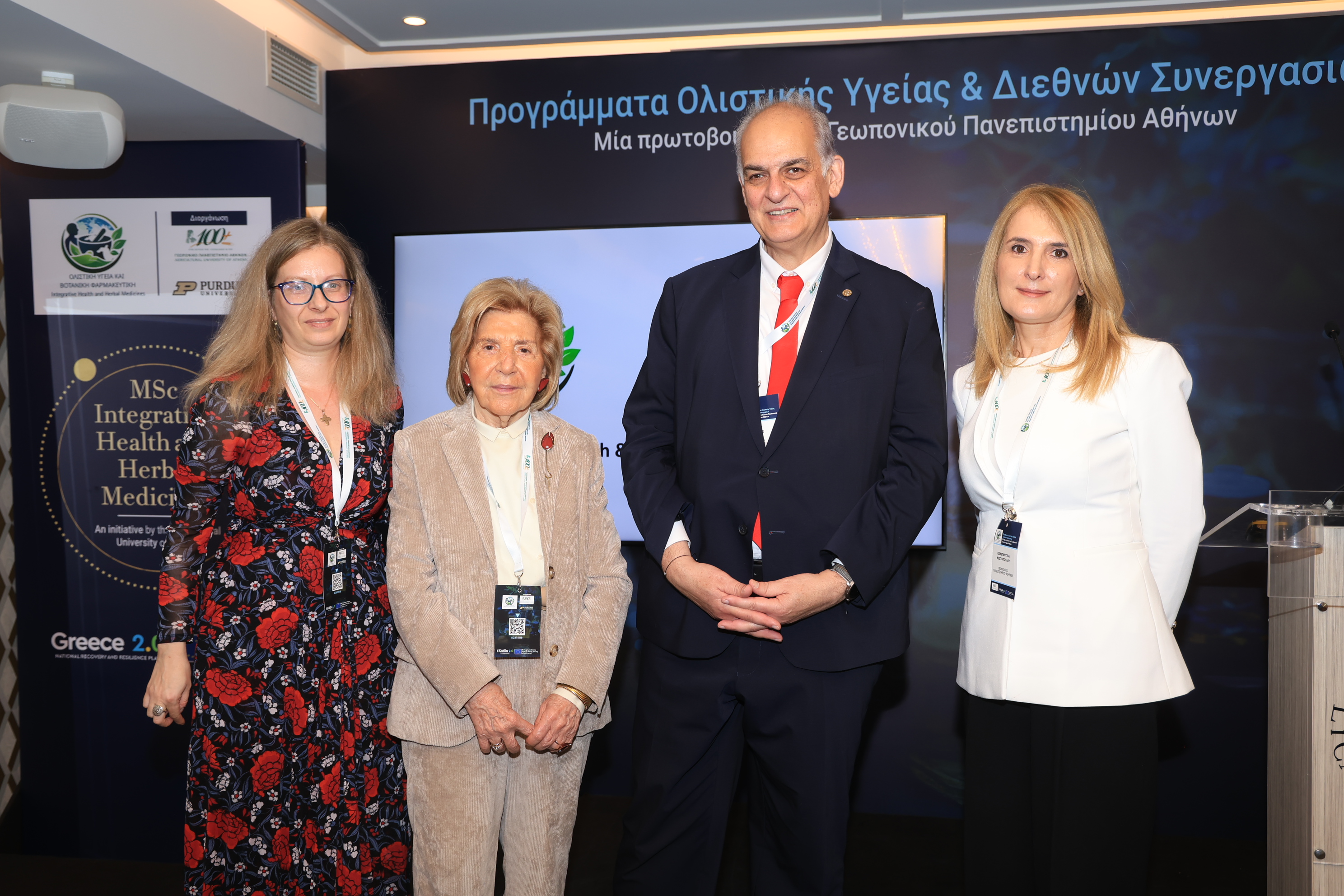
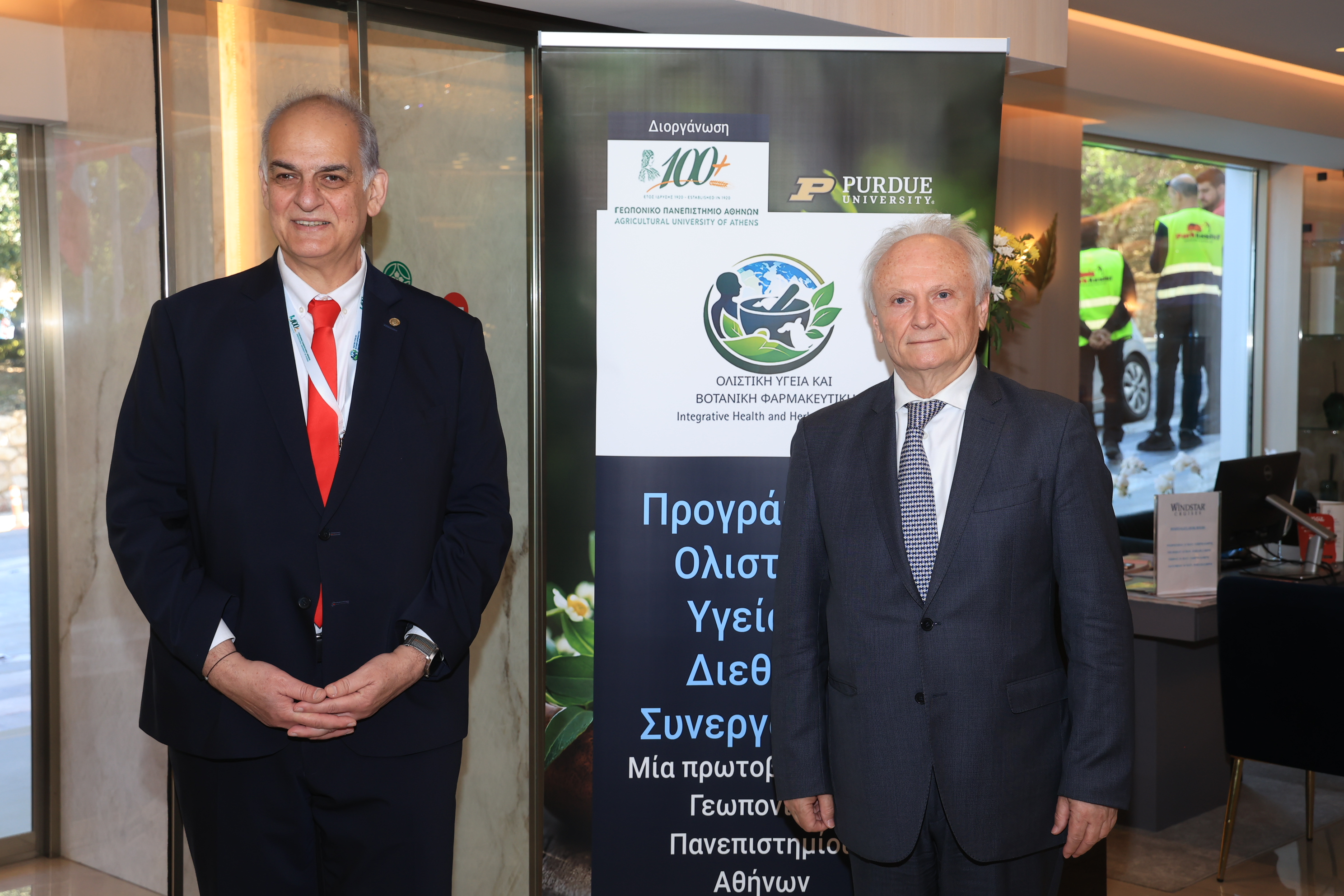
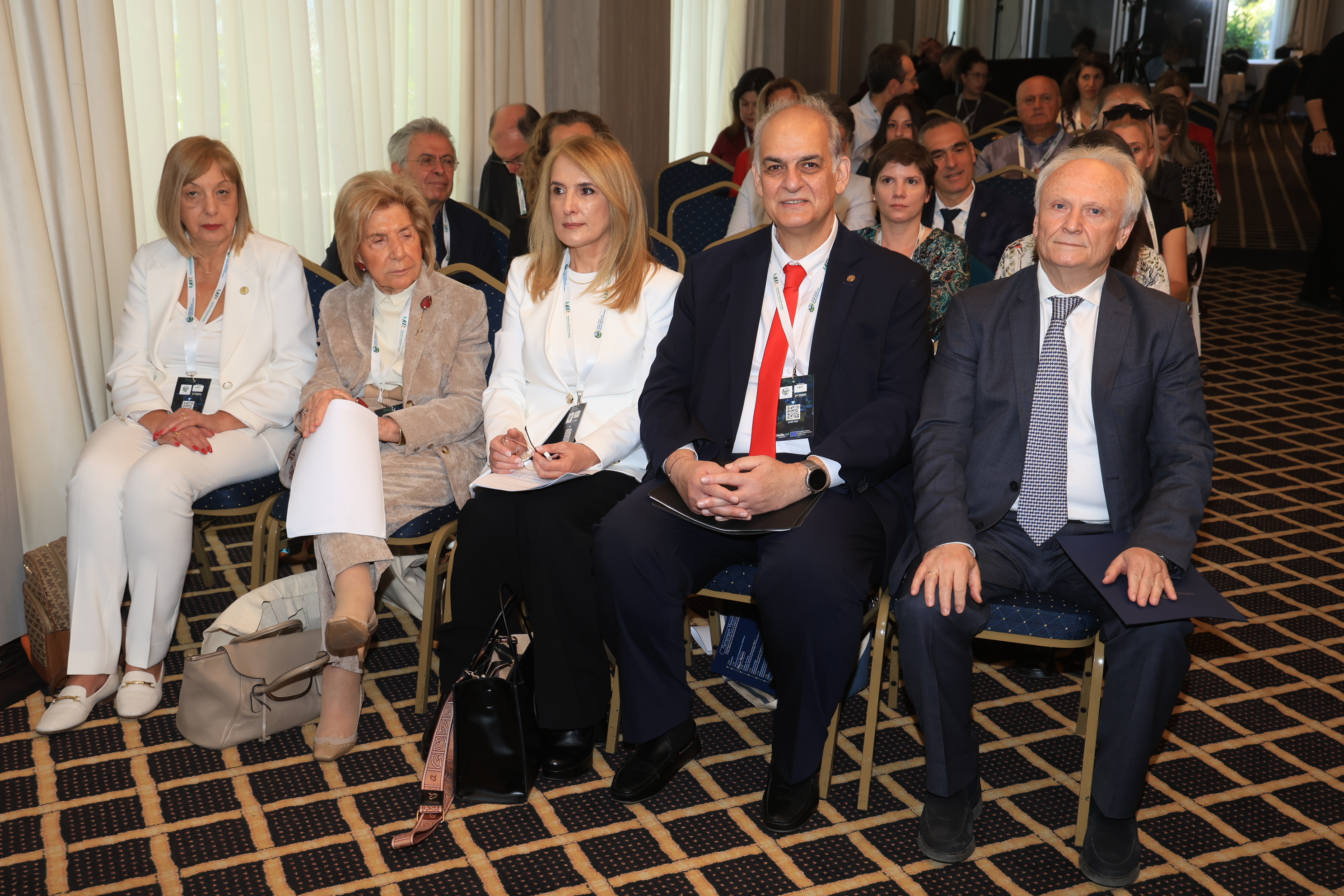
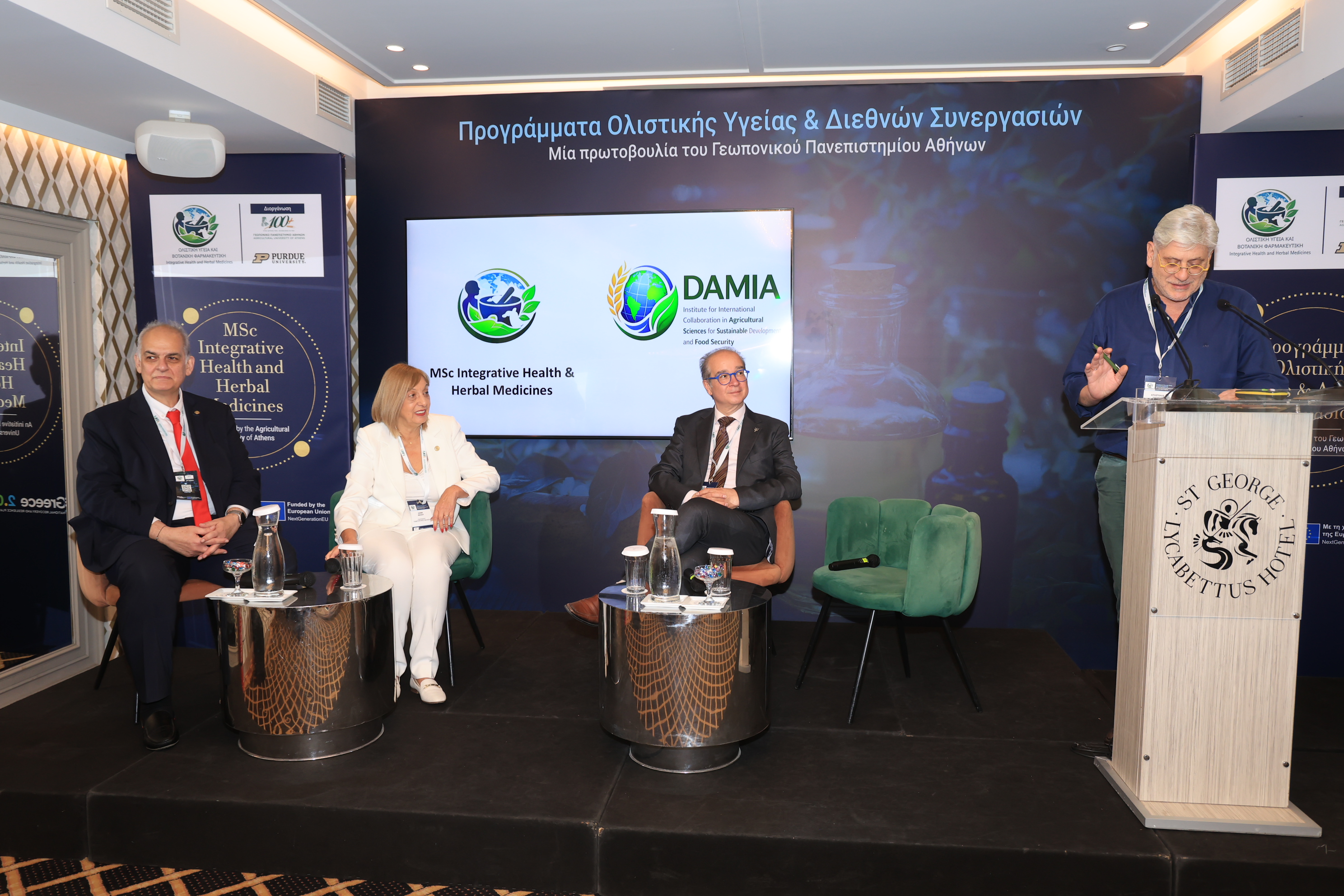
The conference entitled “Holistic Health & International Collaborations”, held on Thursday, May 14, at the St. George Lycabettus Hotel, brought together institutional representatives, academics, and public figures, who were informed about the International Master’s Programme “Holistic Health and Botanical Medicine” of the Agricultural University of Athens, developed in collaboration with the world-renowned Purdue University.
At the same time, the “DAMIA” Institute was presented as an initiative promoting international collaborations aimed at safeguarding the country’s food sustainability and security.
Welcome addresses were delivered by:
- Spyridon Kintzios, Rector of the Agricultural University of Athens, who emphasized the University’s leading position and the important initiatives undertaken for its further development and internationalization.
- Ioannis Andrianos, Deputy Minister of Rural Development and Food, who praised the collaboration with Purdue University and highlighted the significance of such initiatives.
- Andreas Stoimenidis, President of OSETEE, who stressed the value of knowledge offered through such a postgraduate programme, given the challenges faced in agricultural development.
- Litsa Panagiotopoulou, Senior Advisor at Purdue University and a key contributor to the implementation of the collaboration between the two universities, who expressed her immense satisfaction regarding this achievement, which reflects the extroversion and international outreach of the Agricultural University of Athens.
During the first session, Rector Spyridon Kintzios presented the International Master’s Programme “Holistic Health and Botanical Medicine” of the Agricultural University of Athens in collaboration with Purdue University. The programme is co-funded by the European Union – NextGenerationEU (Recovery and Resilience Facility – RRF) and national resources, and will provide knowledge offered for the first time worldwide. It represents a meaningful combination of medicine and agricultural sciences, aspiring to shape a new generation of scientists in the field of holistic health.
Subsequently, Sophia Trantza, President of the Panhellenic Pharmacists Association and lecturer in the programme, presented part of the curriculum and emphasized that students will acquire practical knowledge, including regulatory procedures concerning botanical-based medicines and cosmetics.
Konstantina Kostopoulou, Professor and Director of the Informatics Laboratory, presented the AI component of the Master’s Programme and the chatbots developed at the Agricultural University of Athens, with particular emphasis on the Herbalmed Chatbot, which will serve as an interactive tool for students and professionals in the sector. She also stressed that agriculture in Greece must incorporate new technologies in order to achieve substantial advancement.
During the second session, Rector Spyridon Kintzios presented the DAMIA Institute, the first Institute of Academic Diplomacy and International Cooperation in Geo-Technical Sciences for Sustainable Development and Food Security.
Eleni Miliou, Vice Rector and Professor of Applied Hydrobiology, referred to aquaculture and highlighted its importance for the sustainability of local communities, as well as the need for appropriate public communication regarding the sector. At the same time, she addressed the ongoing challenges, including water pollution leading to eutrophication, lack of traceability, the extensive use of feed in aquaculture, and the need to replace it with circular-economy products.
Stefanos Fotiou, Director of the Office of Sustainable Development Goals at the Food and Agriculture Organization of the United Nations, spoke about the value of the agri-food sector and its ability to “restore” the environment. The challenges currently faced include geopolitical instability, sustainability issues, and technological asymmetry among countries. In the face of these challenges, international organizations are often slow to take action. For this reason, the concept of Food Diplomacy, which is ideologically aligned with the DAMIA Institute, can make a substantial contribution at an institutional international level.
Finally, during the panel discussion moderated by journalist Apostolos Lakasas, with the participation of Spyridon Kintzios, Stefanos Fotiou and Eleni Miliou, the importance of such international collaborations and of a central institutional representation of the University was underlined, so that such initiatives are not pursued individually by academics alone.